Completing your Invisalign treatment represents a significant investment in your smile and oral health. After months of wearing aligners and working toward straighter teeth, the last thing you want is for your results to fade. Keeping your new smile bright means remembering that retention is just as important as the actual treatment.
At Northern Westchester Dental Care, we guide patients through every step of their orthodontic journey, including the crucial post-treatment phase. Our experienced team understands that achieving straight teeth is only half the battle – maintaining those results requires dedication and the right approach to retention care.
Why Teeth Shift After Invisalign Treatment
Your teeth have a natural tendency to return to their original positions, a phenomenon known as orthodontic relapse. This occurs because the periodontal ligaments that hold your teeth in place need time to adapt to their new positions. Without proper retention, these ligaments can pull teeth back toward their pre-treatment locations.
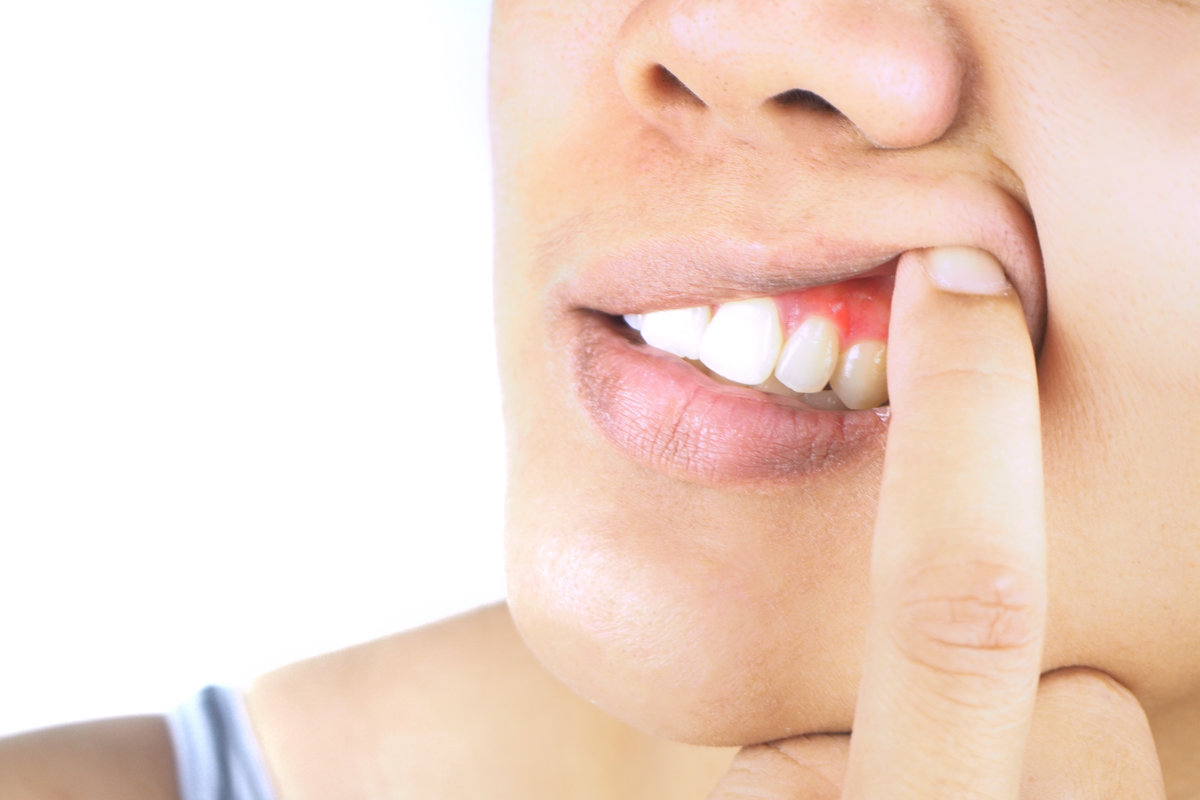
Several factors contribute to post-treatment tooth movement. Age plays a role, as bone density changes over time can affect tooth stability. Habits like teeth grinding, tongue thrusting, or nail biting can create pressure that shifts teeth. Additionally, wisdom teeth eruption or gum disease can impact your smile’s alignment.
The period immediately following active treatment is when teeth are most vulnerable to shifting. During the first few months, your bone and soft tissues are still adjusting to the new tooth positions, making consistent retainer wear absolutely essential.
Essential Retainer Guidelines
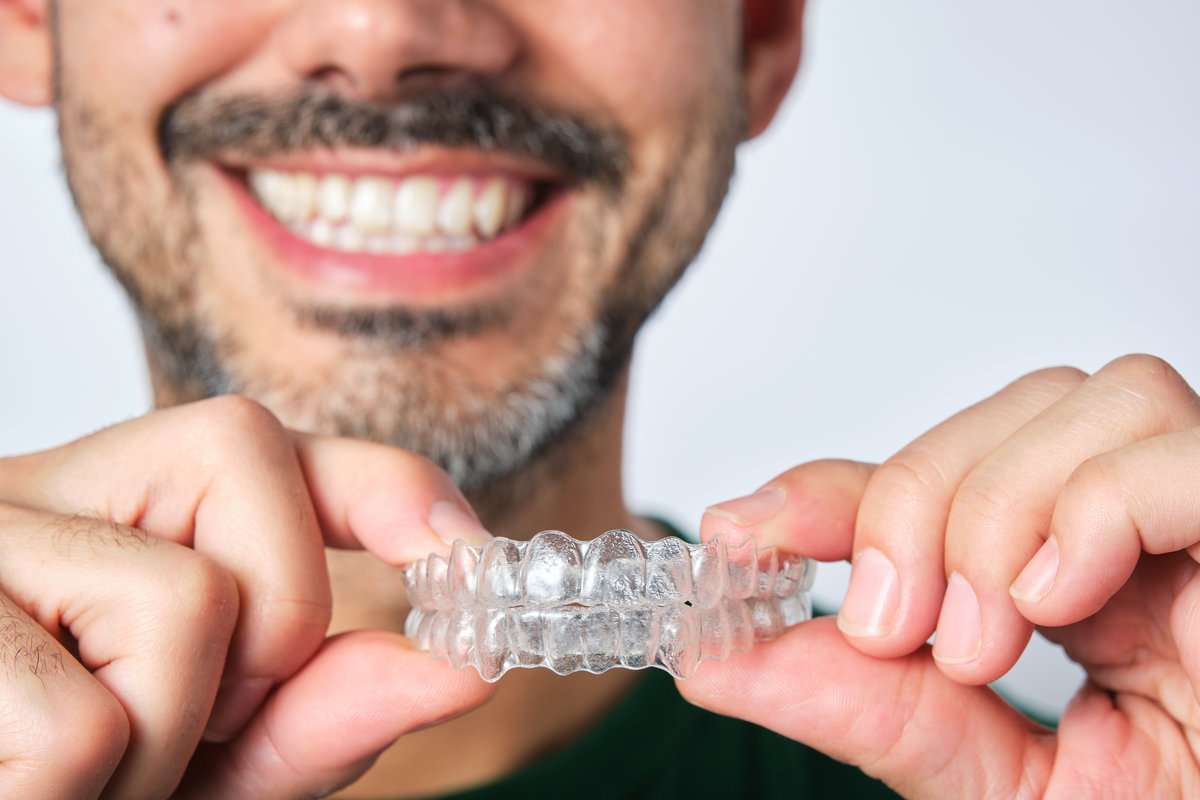
Your retainer is your smile’s best friend after Invisalign treatment. Following your orthodontist’s specific instructions for retainer wear will determine the long-term success of your treatment. Most patients begin with full-time retainer wear, typically 20-22 hours per day for the first several months.
Most patients wear clear aligners for 20-22 hours per day, only removing them for meals and oral hygiene during active treatment, and this same principle applies to initial retainer wear. As your teeth stabilize in their new positions, you’ll gradually transition to nighttime-only wear.
Never skip days of retainer wear, especially during the first year after treatment. Even a few nights without your retainer can allow subtle shifts that may require additional treatment to correct. Keep your retainer case with you always, and establish a routine that makes retainer wear as automatic as brushing your teeth.
Clean your retainer every day using warm water and a soft toothbrush. Avoid hot water, which can warp the plastic, and harsh chemicals that might damage the material. Consider using retainer cleaning tablets occasionally for a deeper clean.
Protecting Your Investment Through Oral Hygiene
Excellent oral hygiene becomes even more critical after Invisalign treatment. Clean teeth and healthy gums provide the stable foundation your newly aligned smile needs. Brush twice daily with fluoride toothpaste, paying special attention to areas where teeth meet the gum line.
Flossing remains essential for maintaining the spaces between your newly aligned teeth. Properly positioned teeth often make flossing easier and more effective than before treatment.
Consider using water flossers or interdental brushes to thoroughly clean hard-to-reach areas.
Regular professional cleanings and checkups allow your dental team to monitor both your oral health and the stability of your orthodontic results. These appointments help us catch little things early, stopping them from becoming bigger problems that could mess with your smile’s alignment.
Lifestyle Habits That Support Long-Term Results
Protecting your Invisalign results extends beyond retainer wear and oral hygiene. Be mindful of habits that can place unnecessary stress on your teeth. Do not use your teeth as tools to open packages or bottles, and consider wearing a nightguard if you grind or clench your teeth during sleep.
To keep your mouth in the best condition, focus on eating a balanced diet. Try to eat less sugary and acidic foods; they’re the main culprits behind cavities and gum problems. And don’t forget to drink plenty of water. It’s a natural way to rinse away food bits and bacteria, which helps keep your oral health on track.
If you play contact sports, make sure you wear a mouthguard that fits well to protect your teeth. Trauma to previously aligned teeth can not only damage individual teeth but also disrupt your overall smile alignment.
Northern Westchester Dental Care’s Commitment to Your Smile
Our comprehensive approach to orthodontic care includes thorough post-treatment support to ensure your investment in a beautiful smile lasts a lifetime. Dr. Dana Keiles and Dr. Seth Keiles bring years of experience in both general and cosmetic dentistry, providing the expertise needed to maintain your orthodontic results alongside your overall oral health.
We understand that every patient’s retention needs are unique, which is why we customize post-treatment care plans based on individual factors like age, initial tooth movement complexity, and personal risk factors. Our team is available to address any concerns that arise during your retention phase, ensuring you feel confident about maintaining your results. Ready to learn more about preserving your beautiful smile after orthodontic treatment? Contact us today to schedule your consultation and discover how we can help you maintain your Invisalign results for years to come.