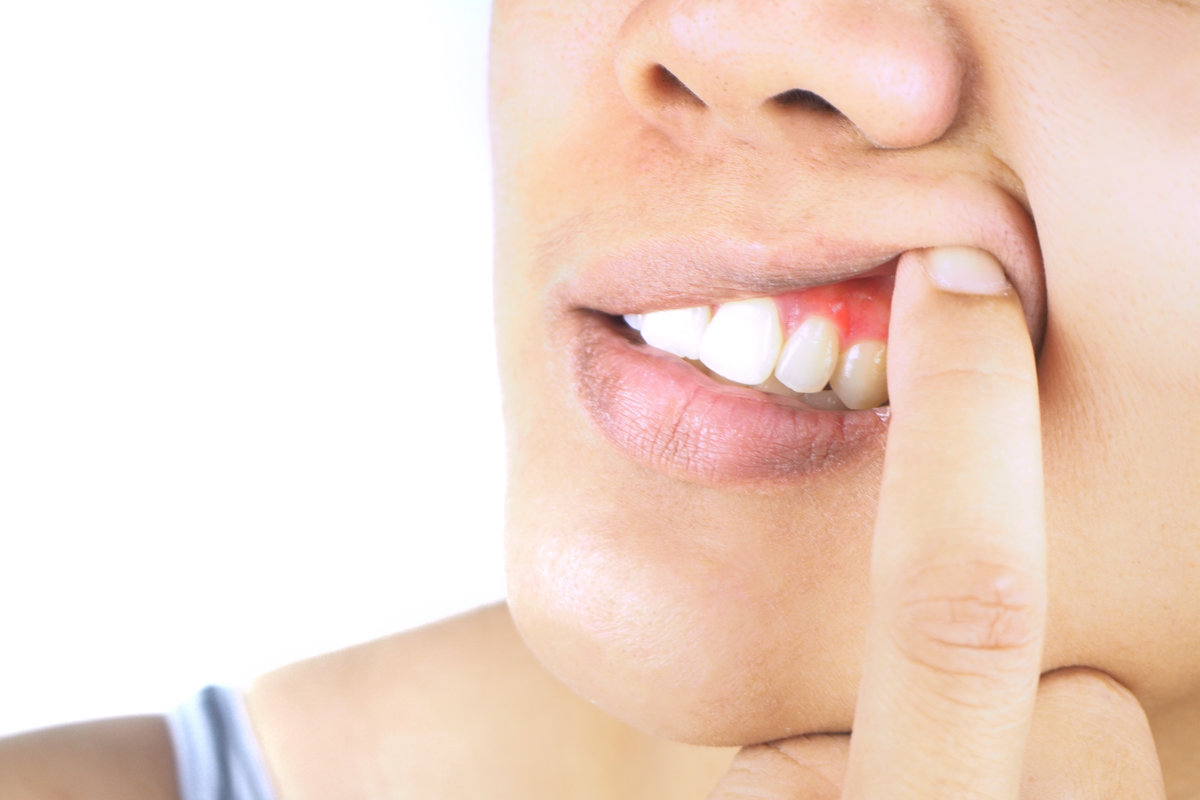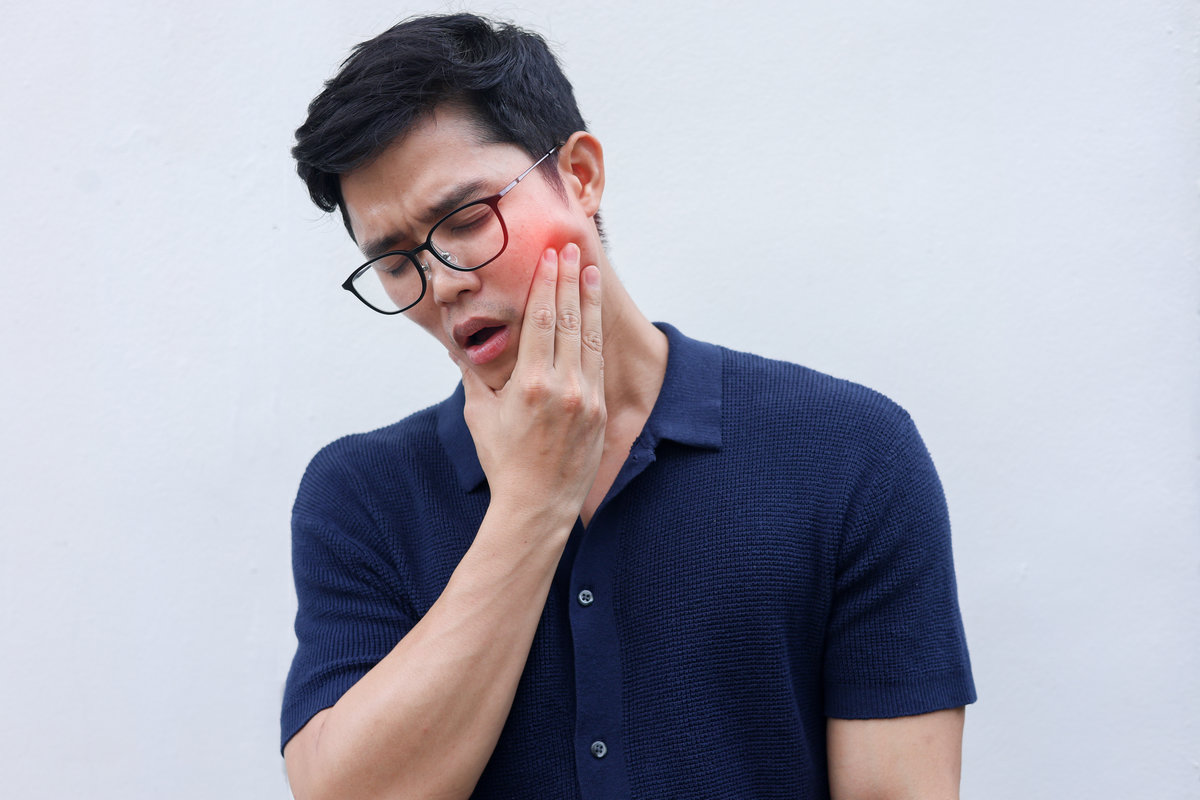
Jaw pain, headaches, and clicking sounds when you open your mouth can disrupt your daily life in frustrating ways. These symptoms often point to temporomandibular joint disorder (TMJ/TMD), a condition that affects the joint connecting your jaw to your skull. The good news is that effective treatment options exist to help you find relief and restore normal jaw function.
At Northern Westchester Dental Care in Yorktown Heights, we approach TMJ/TMD treatment with a whole-body perspective. Our team of world-trained doctors uses advanced technology to diagnose the root cause of your jaw discomfort and develop a personalized treatment plan. We understand that jaw pain affects more than just your mouth, which is why we take the time to understand how TMJ symptoms impact your overall health and daily activities.
Recognizing TMJ/TMD Symptoms
TMJ disorders present differently for each person, but certain symptoms appear frequently. You might experience pain or tenderness in your jaw, especially when chewing or speaking. Many people notice clicking, popping, or grating sounds when they open their mouths. Some feel like their jaw gets stuck or locks in an open or closed position.
The discomfort often extends beyond your jaw. Chronic headaches, earaches, and facial pain are common complaints. You might also experience difficulty chewing or feel like your upper and lower teeth don’t fit together properly anymore. Research shows that over 70% of dentists have noticed increased signs of teeth grinding and jaw clenching in their patients, highlighting how widespread these issues have become.
Some patients describe their jaw pain as a dull ache that persists throughout the day, while others experience sharp, stabbing pains during specific movements. You might notice that your symptoms worsen during stressful periods or after eating chewy foods. Paying attention to when and how your symptoms occur helps us identify contributing factors and develop more targeted treatment strategies.
Conservative Treatment Approaches
Most TMJ cases respond well to conservative, non-invasive treatments. We typically begin with the least aggressive options and only move to more involved treatments if necessary. This approach respects your body’s natural healing abilities while providing the relief you need.
Conservative treatments include several effective options:
- Custom oral appliances: We create specially fitted night guards or splints that reduce pressure on your jaw joint and prevent teeth grinding while you sleep, giving your jaw muscles time to relax and heal.
- Physical therapy: Targeted exercises strengthen jaw muscles, improve flexibility, and reduce pain by retraining your jaw to move in healthy patterns.
- Lifestyle modifications: Simple changes such as eating softer foods, avoiding gum chewing, and practicing stress-reduction techniques can significantly reduce jaw strain.
- Hot and cold therapy: Alternating warm compresses and ice packs helps reduce inflammation and soothe sore jaw muscles.
These treatments work best when combined as part of a comprehensive care plan. We’ll work with you to identify which combination addresses your specific symptoms most effectively. Many patients see significant improvement within a few weeks of starting treatment, though complete recovery timelines vary based on the severity of your condition.
Advanced Treatment Solutions
When conservative approaches don’t provide sufficient relief, we can explore additional treatment options. Orthodontic treatment sometimes helps by correcting bite alignment issues that contribute to TMJ problems. Misaligned teeth can force your jaw into unnatural positions, creating unnecessary stress on the joint. Clear aligners offer a discreet way to straighten your teeth and improve your bite without the discomfort of traditional braces.
For some patients, we might recommend medications to manage pain and inflammation during the healing process. Muscle relaxants can ease tension, while anti-inflammatory medications reduce swelling around the joint. We also offer sedation dentistry options for patients who need dental work but experience jaw discomfort during treatment.
In rare cases where structural problems are present, we’ll refer you to specialists who can perform surgical interventions. However, surgery is typically a last resort after exhausting all other options. Our goal is always to help you find relief through the least invasive methods possible.
Why Choose Northern Westchester Dental Care for TMJ Treatment
At Northern Westchester Dental Care, we bring Manhattan-level expertise to Northern Westchester through our team of highly trained general and multi-specialist dentists. Our commitment to whole-body dentistry means we don’t just treat your jaw symptoms in isolation. We examine how your oral health connects to your overall wellness and develop treatment plans that address the bigger picture.We use leading dental technology to accurately diagnose TMJ disorders and track your progress throughout treatment. Our individualized patient care approach ensures you receive attention tailored to your specific needs and concerns. For patients without dental insurance, our NWDC Membership Plan makes quality TMJ treatment accessible and affordable. Whether you need a simple night guard or a more comprehensive treatment plan, contact our Yorktown Heights office to schedule your consultation and take the first step toward lasting jaw pain relief.