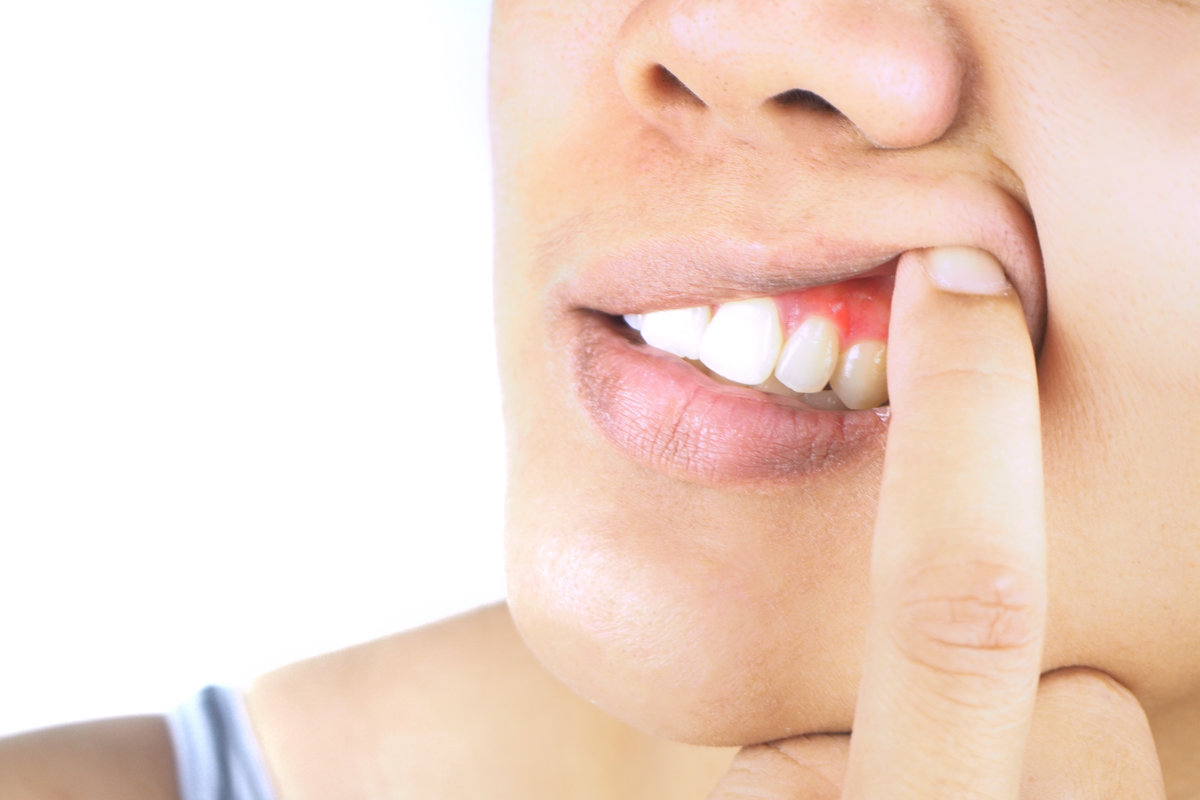
Tooth damage comes in many forms. Sometimes a cavity is too large for a simple filling but not severe enough to require a full crown. You might have fractured a cusp while biting down on something hard, or perhaps years of wear have left your molars structurally compromised. These situations leave you wondering what restoration option will provide lasting protection without removing more healthy tooth structure than necessary.
At Northern Westchester Dental Care in Yorktown Heights, our team specializes in conservative restorative solutions that preserve your natural tooth structure while delivering the strength and aesthetics you need. Our world-trained dentists combine advanced technology with personalized care to determine the ideal restoration for your unique situation.
Understanding Inlays and Onlays
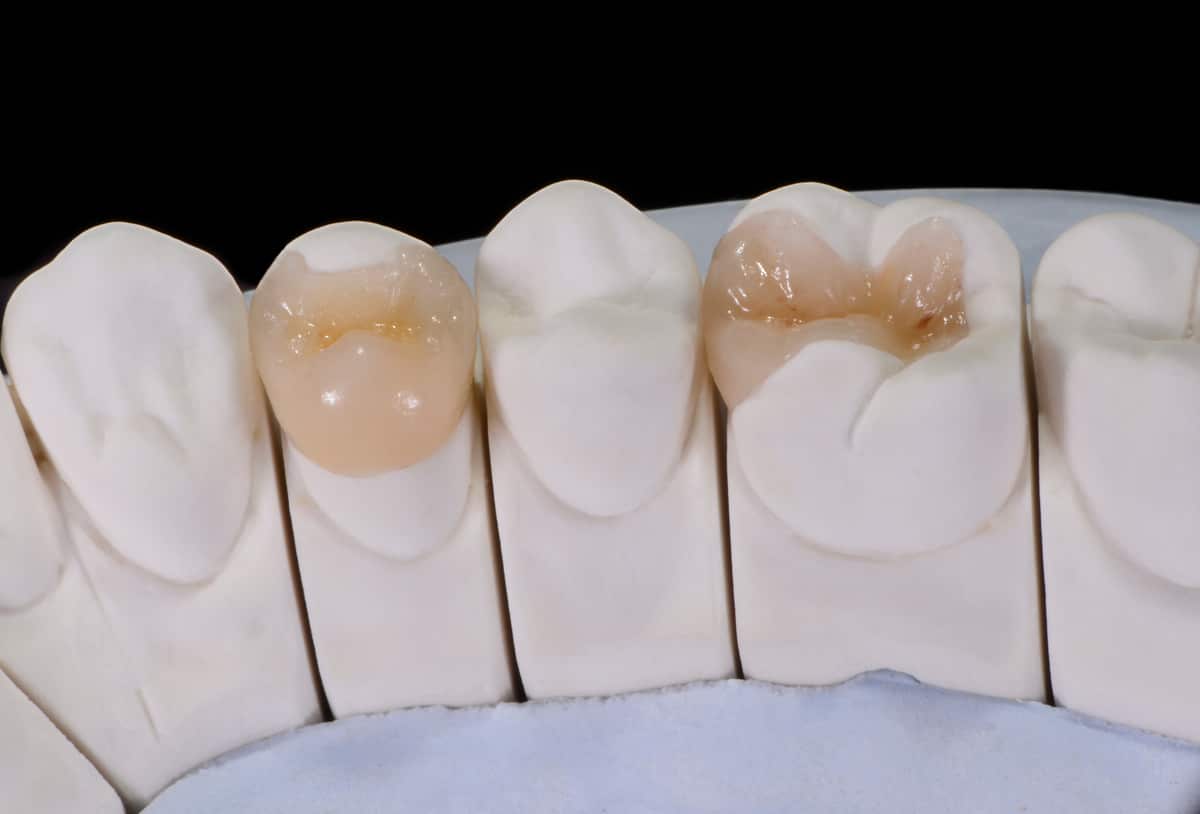
Inlays and onlays are indirect restorations fabricated outside the mouth and then bonded to the tooth. The key distinction between them lies in the extent of coverage they provide. An inlay fits within the cusps of a tooth, primarily restoring the chewing surface between the raised points. An onlay extends over one or more cusps, providing broader coverage when damage affects these structural elements.
These restorations differ fundamentally from dental crowns in their conservative approach. While crowns require removal of significant tooth structure to accommodate the restoration, inlays and onlays preserve more of your natural tooth. Modern adhesive technology allows these restorations to bond directly to tooth structure, actually strengthening the remaining tooth rather than simply covering it.
Ceramic and Porcelain Options
Most contemporary inlays and onlays are crafted from ceramic or porcelain materials that closely match your natural tooth color. These materials offer exceptional aesthetics and durability. Ceramic restorations can withstand substantial biting forces while maintaining their appearance over many years. The translucent quality of modern ceramics allows them to blend seamlessly with surrounding teeth.
When Inlays and Onlays Are Recommended
Inlays and Onlays are often recommended in a variety of situations, including large cavities, cuspal fractures, and excessive tooth wear.
Large Cavities and Failed Fillings
When decay extends beyond what a direct filling can reliably address, inlays and onlays become viable options. Research indicates that ceramic restorations demonstrate survival rates of 92% to 95% at five years, with a rate of 91% at ten years. These restorations distribute chewing forces more evenly than direct fillings, reducing stress on weakened tooth walls.
Cuspal Fractures
Broken cusps from trauma or biting on hard objects often require restoration that extends over the damaged area. Onlays excel in these situations because they protect and reinforce the remaining tooth structure. The restoration covers the weakened cusp while preserving healthy portions of the tooth.
Tooth Wear
Severe wear from grinding or acid erosion can leave teeth structurally compromised but not damaged enough to warrant full crowns. Onlays rebuild the lost tooth structure while maintaining a conservative preparation. This approach preserves more natural tooth than traditional crown preparation, which can remove up to 75% of healthy tooth structure.
The Treatment Process at Northern Westchester Dental Care
Your first appointment involves examining the damaged tooth and discussing restoration options. After determining that an inlay or onlay is appropriate, the dentist removes decay or damaged tooth material. The preparation maintains as much healthy tooth structure as possible while creating an ideal foundation for bonding.
A digital scan or impression captures the exact dimensions of the prepared tooth. A temporary restoration protects the tooth between appointments. This process typically requires less tooth reduction than crown preparation, preserving structural integrity.
Fabrication and Placement
A dental laboratory or an in-office milling unit creates the restoration from your impression. When ready, the dentist removes the temporary restoration, cleans the tooth, and evaluates the fit of the permanent inlay or onlay. After confirming proper fit and appearance, the adhesive cement bonds the restoration permanently to your tooth. This bonding process creates a strong union that can actually reinforce the remaining tooth structure.
Advantages Over Alternative Treatments
Inlays and onlays offer several benefits compared to other restorative options. They preserve more natural tooth structure than crowns while providing superior strength compared to direct composite fillings. The indirect fabrication process allows for better control of contours and contact points with adjacent teeth. These restorations resist staining better than composite materials and maintain their appearance over time.
Research comparing partial-coverage restorations, such as onlays, with full crowns shows no significant difference in survival rates, suggesting that the more conservative approach performs equally well when appropriately indicated. Preserving tooth structure has long-term benefits for tooth longevity and future treatment options.
Comparing with Other Cosmetic Solutions
While porcelain veneers address aesthetic concerns on front teeth, inlays and onlays focus on restoring function and strength to back teeth. Veneers cover only the front surface of a tooth, while inlays and onlays replace actual tooth structure lost to decay or damage. Both use bonding technology, but their applications differ depending on tooth location and the problem being addressed.
Is an Inlay or Onlay Right for You?
Several factors determine whether these restorations are suitable for your situation. The extent and location of tooth damage play primary roles in this decision. Teeth with adequate remaining structure to support bonding make ideal candidates. Patients must maintain good oral hygiene around the restoration margins.
Cost considerations differ from crowns or fillings, but the investment in tooth preservation often proves worthwhile over time. Insurance coverage varies, but many plans recognize inlays and onlays as appropriate treatment for specific situations. The longevity and conservative nature of these restorations provide value that extends beyond initial cost.
Experience World-Class Restorative Care at Northern Westchester Dental Care
Choosing the right restoration for your damaged tooth requires expertise in both materials and techniques. Our team at Northern Westchester Dental Care combines academic excellence with a patient-centered approach that considers your overall oral health and long-term goals. We utilize advanced diagnostic tools and materials to ensure your restoration provides lasting results.
Whether you need a single restoration or comprehensive treatment, we provide individualized care in a welcoming environment. Our commitment to whole body dentistry means we consider how your oral health affects your overall wellness. Contact our Yorktown Heights office to schedule a consultation and discover how inlays and onlays might be the ideal solution for restoring your smile’s strength and beauty.