When you’re facing tooth loss, the path forward can feel like an uphill battle. Whether you’ve lost one tooth or several, you may wonder which restoration option will help you reclaim your confidence and enjoy your favorite foods again. Two popular solutions stand out on today’s market: dental bridges and partial dentures. Understanding which one fits your unique situation makes all the difference.
At Northern Westchester Dental Care, our team provides both bridges and partial dentures using world-class training and the latest technology. We believe in treating people, not just teeth, and our personalized approach to whole body dentistry ensures you receive the care that best supports your oral health and overall wellness.
Understanding Dental Bridges
A dental bridge does exactly what its name suggests: it bridges the gap created by missing teeth. This restoration consists of artificial teeth (called pontics) held in place by dental crowns that attach to the natural teeth on either side of the gap. These supporting teeth, known as abutment teeth, provide the stability that keeps your bridge securely in position.
Bridges are custom-crafted from materials like porcelain, ceramic, or metal alloys to match the appearance of your natural teeth. Once your dentist cements the bridge into place, it becomes a permanent part of your smile. You cannot remove it at home. With proper care through regular brushing, flossing with special tools designed for bridges, and routine dental cleanings, a bridge can last 10 to 15 years or longer.
How Partial Dentures Work
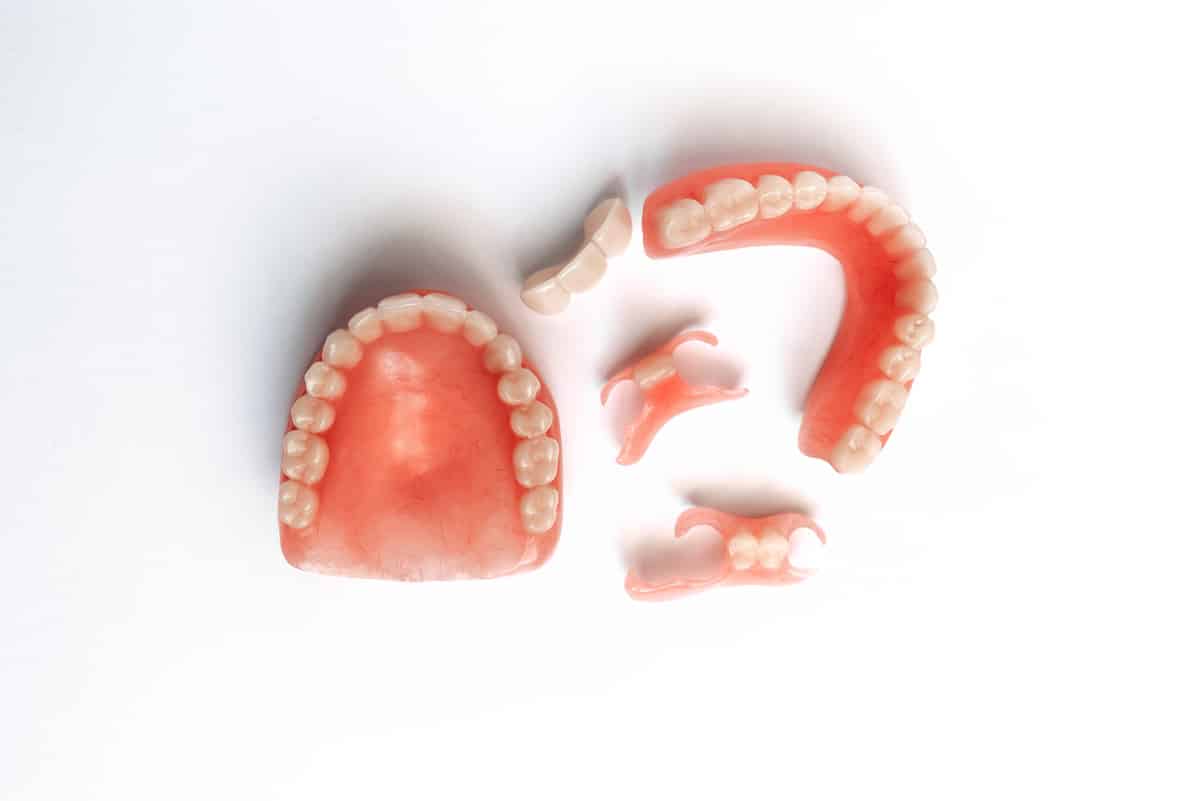
Partial dentures offer a removable solution for replacing multiple missing teeth throughout your mouth. These appliances consist of artificial teeth attached to a base colored to match your gums, along with a framework that clasps onto your remaining natural teeth for stability.
Unlike bridges, which require consecutive missing teeth, partial dentures can replace teeth scattered across different areas of your dental arch. You’ll need to remove your partial denture each night before bed for cleaning and to allow your gums to rest. Your dentist customizes the partial denture to blend naturally with your smile, ensuring the artificial teeth match the size, shape, and color of your natural ones.
Key Differences Between Bridges and Partial Dentures
The choice between these two restorations depends on several important factors, including:
- Permanence: Bridges remain fixed in your mouth, while partial dentures are removable and require daily care outside of your mouth
- Tooth location: Bridges work best for one to three consecutive missing teeth, while partial dentures can replace teeth in different locations throughout your mouth
- Tooth preparation: Bridges require reshaping the adjacent teeth to support crowns, while partial dentures preserve your natural teeth without modification
- Maintenance: Bridges are brushed and flossed like natural teeth, while partial dentures must be removed nightly for cleaning and soaking
- Cost: Partial dentures generally have a lower initial price, though bridges may prove more cost-effective over time due to their longer lifespan
According to research published by the National Center for Biotechnology Information, both bridges and partial dentures provide effective solutions for tooth loss. However, the choice between them depends on individual oral health factors and the extent of missing teeth.
Comfort and Daily Life
Your experience with either restoration affects how you eat, how you speak, and how you maintain your oral hygiene routine. Here’s what daily life looks like with each option.
Living With a Bridge
Daily life with a bridge feels remarkably similar to having natural teeth. The permanent placement means no worrying about the restoration shifting during meals or conversations. You brush and floss your bridge as part of your regular oral hygiene routine, though you’ll need special floss threaders to clean beneath the pontics. Eating feels natural and unrestricted once you adjust to the slight change in your bite.
Living With Partial Dentures
Partial dentures require an adjustment period as you learn to speak and chew comfortably with the appliance. Some patients initially experience minor discomfort or increased saliva production, but these issues typically resolve within a few weeks. The clasps provide adequate security during eating and speaking, though partial dentures may never feel quite as stable as bridges or natural teeth.
Making the Right Choice for Your Smile
Your dentist evaluates several factors when recommending between a bridge and a partial denture, including:
- The location and number of missing teeth
- The health and strength of the surrounding teeth
- Your oral hygiene habits and commitment to maintenance
- Your personal preferences regarding removable versus fixed restorations
- Your budget and insurance coverage
Both restorations protect your oral health by preventing the remaining teeth from shifting into empty spaces, maintaining proper alignment, and bite function. They also help preserve jawbone density by providing stimulation to the bone beneath the gums. Replacing missing teeth promptly, whether with bridges, partial dentures, or dental implants, safeguards your long-term oral health and prevents additional complications.
Restore Your Smile at Northern Westchester Dental Care
Choosing between a dental bridge and a partial denture is an important decision that affects your daily comfort, confidence, and oral health. Our team at Northern Westchester Dental Care brings decades of combined training from world-renowned institutions to provide you with the highest level of care in Northern Westchester. We believe in taking a comprehensive approach to dentistry, examining how each treatment decision supports your overall health and wellness.
Our modern Yorktown Heights practice offers both bridges and partial dentures crafted from premium materials, along with a full range of general and cosmetic dental services under one roof. We accept most insurance plans and offer our NWDC Membership Plan for patients without insurance, ensuring quality dental care remains accessible to everyone in our community. Contact us today to schedule a consultation and discover which restoration option will help you smile with confidence again.