For many patients considering dental implants, the path forward involves more than just the implant itself. Before a titanium post can be successfully placed and integrated, the jawbone must be strong enough, tall enough, and dense enough to support it. When it isn’t, a dental bone graft becomes the essential first step, one that makes the entire implant process possible.
At Northern Westchester Dental Care in Yorktown Heights, we take a whole-body approach to restoring smiles. That means evaluating not just where an implant will go, but whether the foundation beneath it is ready to support lasting results. Our highly trained team of multi-specialist dentists, including our on-staff oral and maxillofacial surgeon, works together to develop personalized treatment plans, and bone grafting is one of the most important procedures in that process. If you’re exploring your options for replacing missing teeth, learning more about our dental implant restoration services is a great place to start.
What Is a Dental Bone Graft?
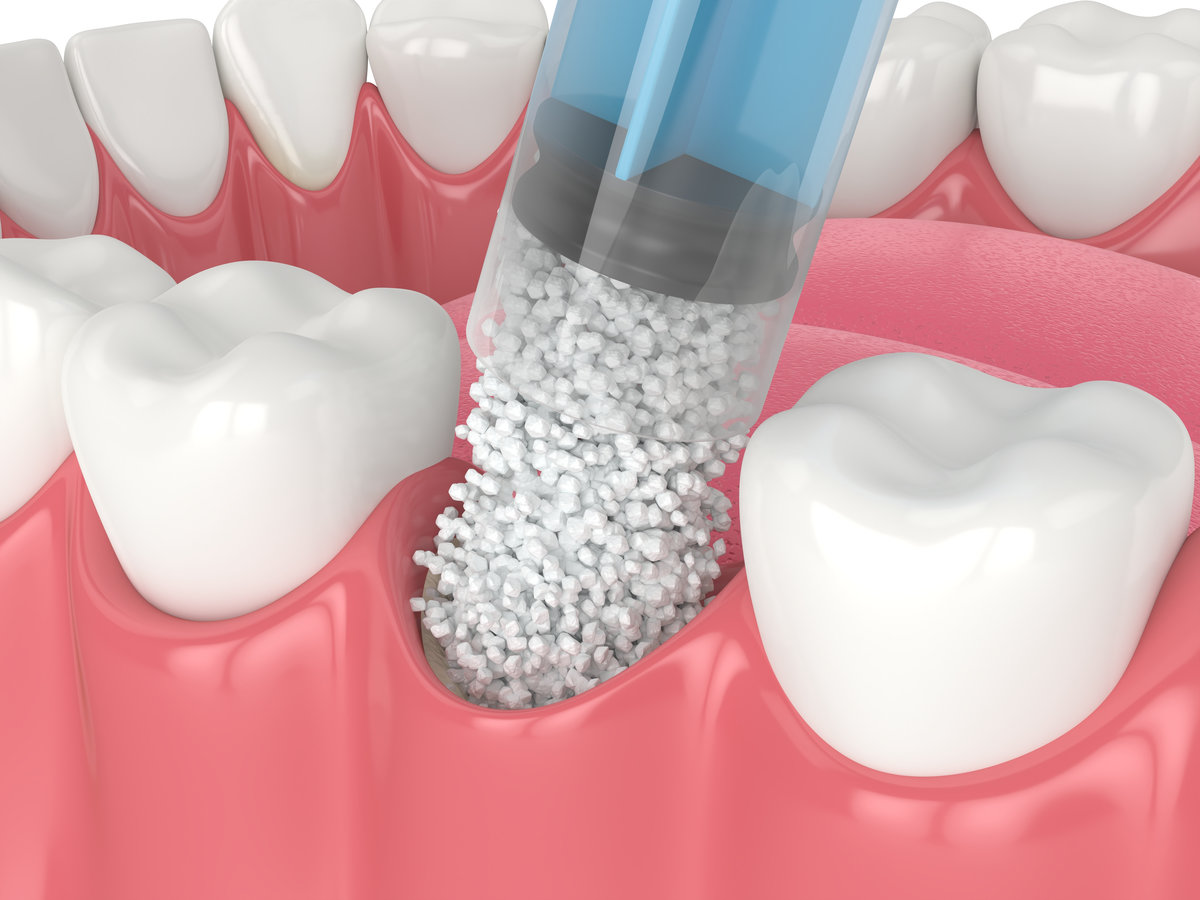
A dental bone graft is a surgical procedure in which bone material is placed in an area of the jaw where the natural bone has become insufficient. The goal is to stimulate the body’s natural regenerative process, encouraging new bone to grow and fill in the deficient area. Over time, the grafted material fuses with the existing jawbone in a process called osseointegration, the same process that later allows a dental implant to lock securely into place.
The material used in a graft can come from several sources. An autograft uses bone harvested from the patient’s own body, often from the jaw or chin. An allograft uses donor bone from a tissue bank. A xenograft uses processed animal bone, most commonly bovine. Synthetic options also exist. According to a 2021 review published in Molecules via PMC, bone grafting is required in approximately one in every four dental implant procedures, and research into graft materials has expanded significantly to support long-lasting implant success.
When Is a Bone Graft Necessary Before Implants?
Not every patient who wants a dental implant will need a bone graft first. However, there are several common situations where insufficient bone volume makes grafting a necessary prerequisite. The most common scenario involves tooth loss that occurred long before the patient considered an implant. After a tooth is extracted or lost, the surrounding jawbone begins to resorb because it no longer receives stimulation from a tooth root, and this can happen surprisingly quickly, which is why early planning matters.
Patients who have experienced significant bone loss may find that direct implant placement would fail without first rebuilding the ridge. Gum disease is another contributing factor, as advanced periodontal disease can erode the bone surrounding the teeth. Certain health conditions, injury history, and the natural shape of the sinus cavity in the upper jaw may also require grafting procedures, such as a sinus lift. Understanding how dental implants and bone loss are connected helps patients see why the evaluation stage is so critical.
Types of Bone Grafts Used in Implant Dentistry
There are several distinct grafting procedures used in preparation for dental implants, and the type recommended will depend on where the implant will be placed, how much bone has been lost, and the patient’s overall health profile. The following are the most common types:
- Socket Preservation (Ridge Preservation): Performed immediately after a tooth extraction, this places graft material directly into the empty socket to prevent bone loss before it begins.
- Ridge Augmentation: Used to rebuild the height and width of the jawbone after significant bone loss has already occurred, restoring a foundation suitable for implant placement.
- Sinus Lift: Specific to the upper jaw, this procedure raises the sinus floor and adds bone material in the posterior region where natural bone height tends to be limited.
Each of these procedures is performed with precision, and the healing period before implant placement can range from a few months to longer, depending on the extent of the graft. Patients curious about what comes next can also learn about types of dental implants and same-day dental implant options to understand the full scope of what’s available.
What to Expect From the Bone Graft Process
The bone grafting procedure is typically performed under local anesthesia, with sedation options available for patients who experience dental anxiety. After the graft material is placed and secured, the site is closed and the healing process begins. Patients generally experience some swelling and mild discomfort in the days following the procedure, which is manageable with prescribed or over-the-counter medication.
The most important phase is the healing period, during which new bone gradually forms and integrates with the existing jaw structure. This process can take anywhere from three to six months, and in some cases longer, before the site is ready for implant placement. We monitor this progress carefully through advanced imaging to determine the ideal time to move forward.
Schedule Your Bone Graft and Implant Consultation at Northern Westchester Dental Care
If you’ve been told you may not have enough bone for a dental implant, or if you’re simply starting your path toward tooth replacement, a thorough evaluation is the best first step. Our oral and maxillofacial surgeon, Dr. Cameron Lewis, completed his surgical training at New York Medical College and performs bone grafts, sinus lifts, and implant surgery, bringing Manhattan-level care directly to Northern Westchester.
We believe that every patient deserves to understand their options and receive care tailored to their unique oral health. Whether a bone graft is necessary or not, we’ll walk you through every step with clarity and confidence. Contact our office today to schedule your consultation and take the first step toward a strong, lasting smile.