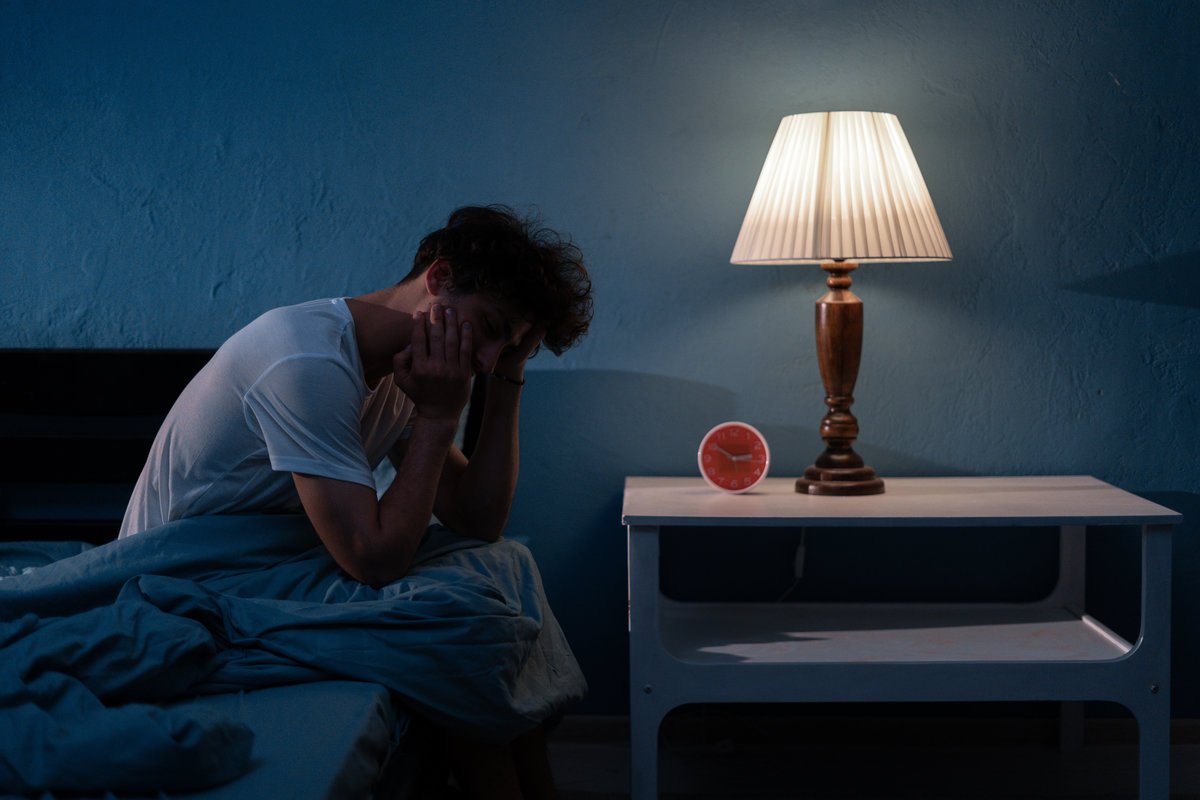
Waking up exhausted after a whole night’s sleep isn’t just frustrating. It’s a sign that your body isn’t getting the rest it needs, and your airway might be collapsing while you sleep. This condition, known as sleep apnea, affects your energy, concentration, and long-term health in ways you might not realize.
At Northern Westchester Dental Care, our dental sleep medicine team helps Yorktown Heights patients address sleep apnea with effective oral appliance therapy. We understand quality sleep is essential for your overall health, which is why we take a whole-body approach to treating this serious condition.
What Sleep Apnea Does to Your Body
Sleep apnea causes repeated breathing interruptions throughout the night. Your airway becomes blocked, oxygen levels drop, and your brain jolts you awake just enough to resume breathing. This cycle can occur dozens or even hundreds of times per night. Research shows that sleep apnea affects more than 22 million people across the country, yet many cases remain undiagnosed.
The consequences extend far beyond feeling tired. When your breathing stops repeatedly, your heart works harder to compensate for low oxygen levels. Blood pressure rises during these episodes, putting strain on your cardiovascular system. Over time, untreated sleep apnea increases your risk for heart disease, stroke, and diabetes. Your immune system weakens, making you more susceptible to illness. Memory and cognitive function decline when your brain is deprived of restorative sleep.
How Dental Sleep Appliances Work
Oral appliances offer an effective alternative to CPAP machines for many patients with sleep apnea. These custom-fitted devices look similar to sports mouthguards but serve a completely different purpose.
The Mechanics of Oral Appliances
The appliance repositions your lower jaw slightly forward, which keeps your airway open during sleep. This gentle advancement prevents the soft tissues in your throat from collapsing backward. Your tongue stays forward, maintaining clear airflow throughout the night. The design allows natural mouth movement and speaking, so you won’t feel like your jaw is locked in place.
Custom Fabrication and Comfort
Custom fabrication makes these appliances comfortable for nightly wear. We take precise impressions of your teeth and create a device that fits your mouth exactly. The adjustable nature allows us to fine-tune the positioning to find the sweet spot between comfort and effectiveness. Most patients adapt within a few nights and notice improvement in their sleep quality almost immediately.
Who Benefits Most
Oral appliances are most effective for mild to moderate sleep apnea. They’re also ideal for people who can’t tolerate CPAP therapy or need a portable travel solution. The compact size means you can easily pack your appliance for business trips or vacations without the bulk of CPAP equipment.
Signs You Should Talk to Your Dentist About Sleep Apnea
Your dentist can identify several indicators during routine exams. Worn tooth enamel from grinding, a scalloped tongue with teeth marks along the edges, and a narrow upper jaw all suggest breathing issues during sleep. Your TMJ evaluation might reveal jaw problems related to nighttime airway obstruction. Pay attention to these warning signs:
- Loud snoring: chronic, disruptive snoring that bothers your partner or can be heard through walls indicates airway restriction.
- Gasping or choking: waking up feeling like you can’t breathe signals that your airway closed during sleep.
- Morning headaches: oxygen deprivation causes headaches that typically fade within a few hours of waking.
- Dry mouth: breathing through your mouth all night leaves you feeling parched and sometimes with a sore throat.
- Difficulty concentrating: poor sleep quality affects your ability to focus at work or remember daily tasks.
These symptoms deserve professional evaluation. Sleep apnea doesn’t improve on its own, and the health risks compound over time.
The Treatment Process at Northern Westchester Dental Care
Your process begins with a comprehensive consultation, during which we discuss your sleep patterns and symptoms. We examine your oral structures, including jaw position, tongue size, and airway anatomy.
Initial Consultation and Diagnosis
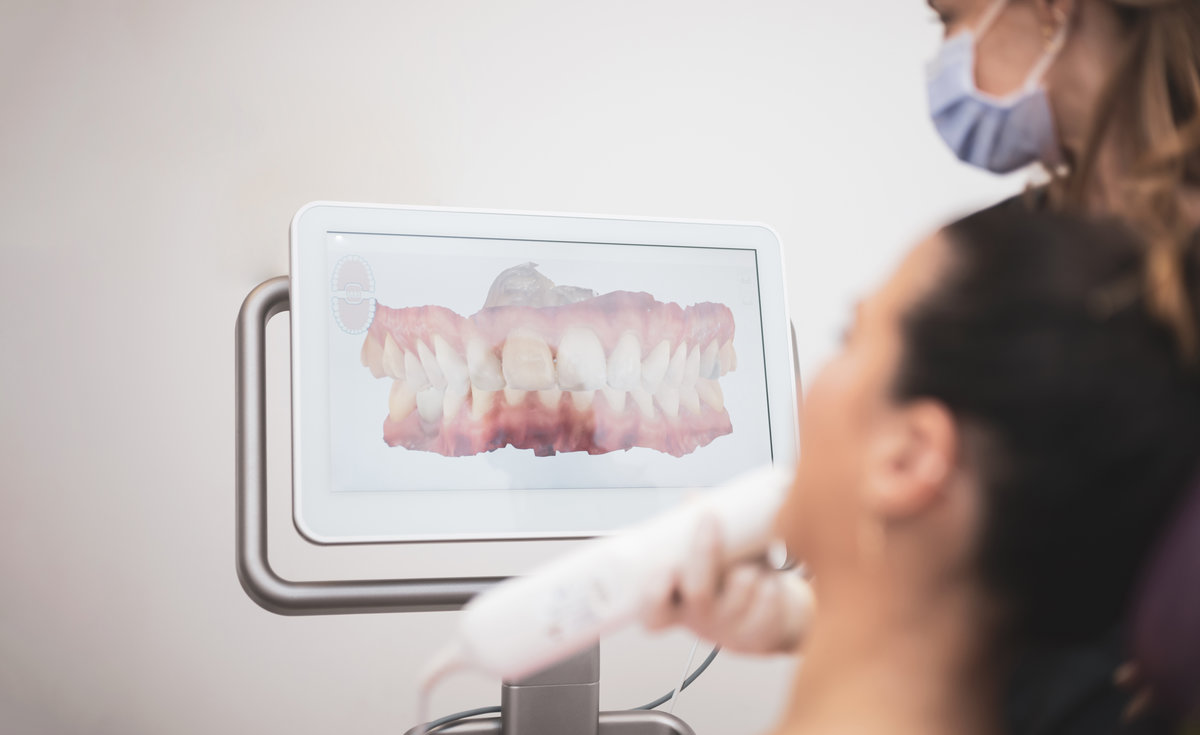
Many patients benefit from a sleep study to confirm the diagnosis and determine the severity of their condition. Once we establish that oral appliance therapy is right for you, we create your custom device. Digital impressions capture every detail of your bite, allowing us to fabricate an appliance that fits precisely.
Creating Your Custom Device and Follow-Up
When your device is ready, we’ll carefully adjust it to find the optimal jaw position to keep your airway open. Follow-up appointments let us monitor your progress and make any needed adjustments. We coordinate with your sleep physician to ensure your treatment is working effectively. Many patients report feeling more rested within the first week of wearing their appliance.
Long-Term Health Benefits
Beyond the immediate improvement in sleep quality, proper treatment protects your long-term health. Your cardiovascular system benefits from consistent oxygen levels throughout the night. Your immune function strengthens, and your mental clarity improves. Relationships often improve, too, as partners no longer deal with disruptive snoring.
Improve Your Sleep Quality with Northern Westchester Dental Care
Your poor sleep quality doesn’t have to continue. At Northern Westchester Dental Care, our highly trained team of general and multi-specialist dentists provides comprehensive sleep apnea treatment through our approach to whole-body dentistry. We combine world-class training with advanced technology to deliver comfortable, practical solutions tailored to your needs. For families without dental insurance, our NWDC Membership Plan makes quality care accessible and affordable.Don’t let another night of interrupted sleep put your health at risk.Contact our Yorktown Heights office today to schedule your sleep apnea consultation and take the first step toward better rest and better health.